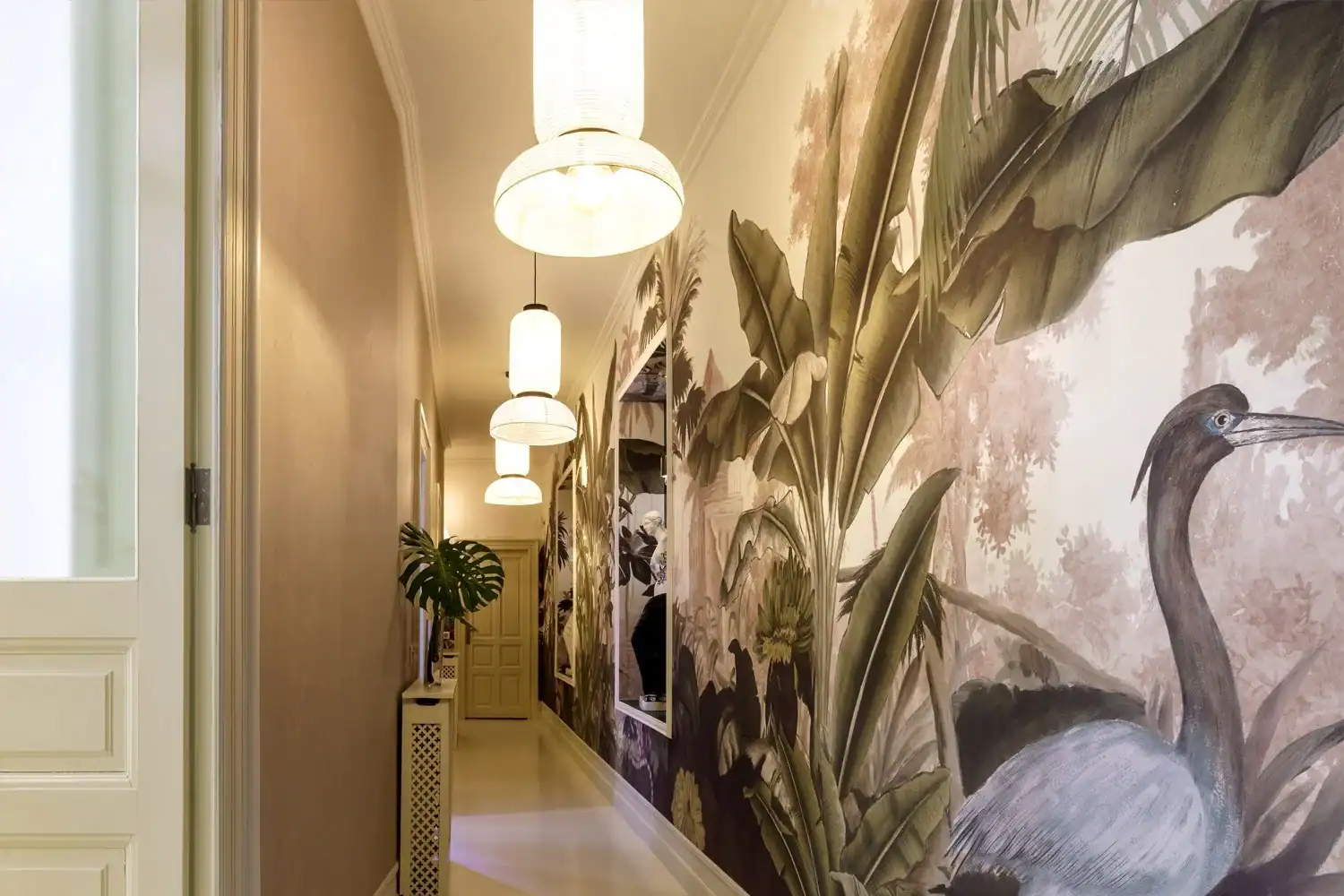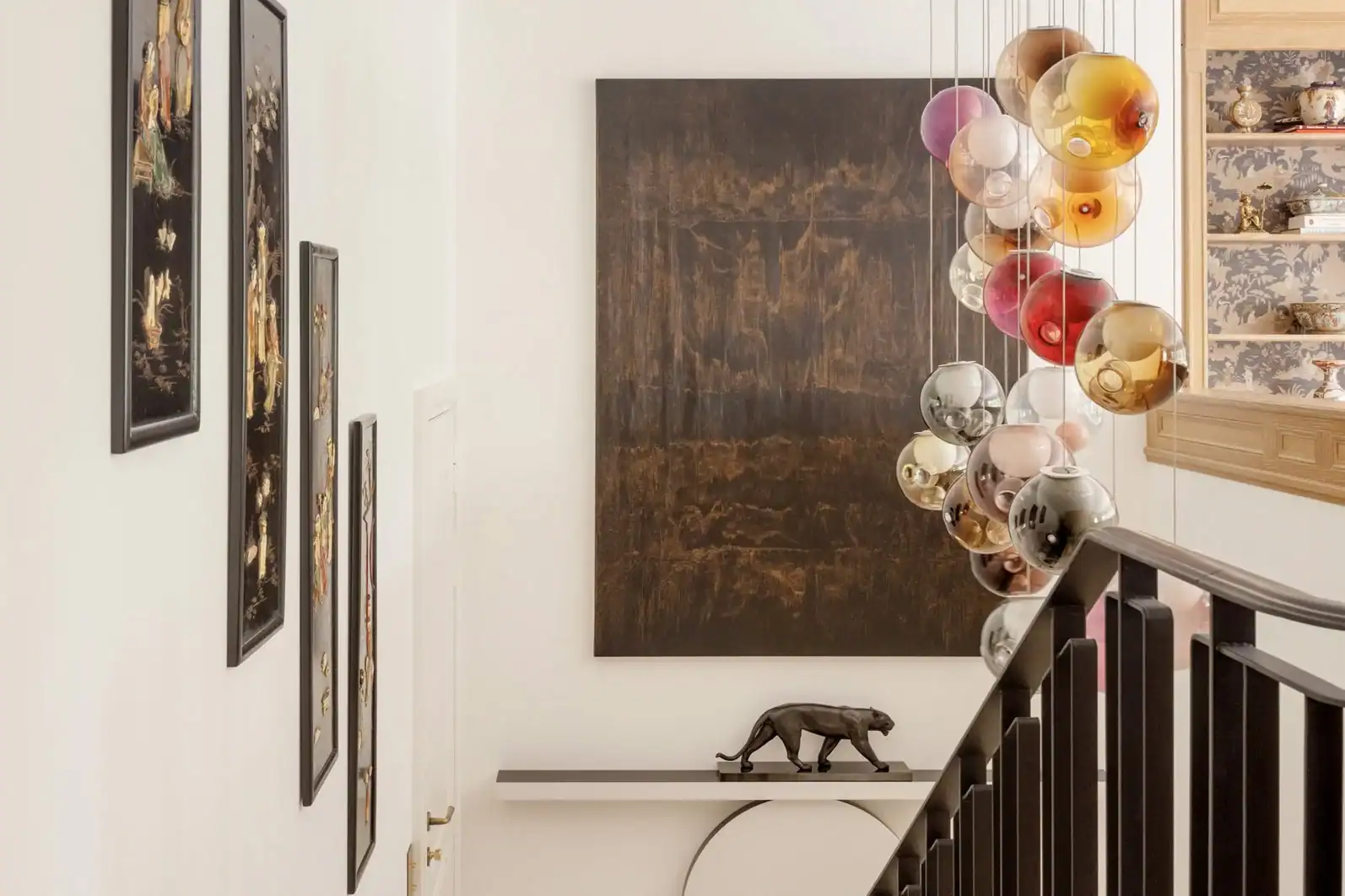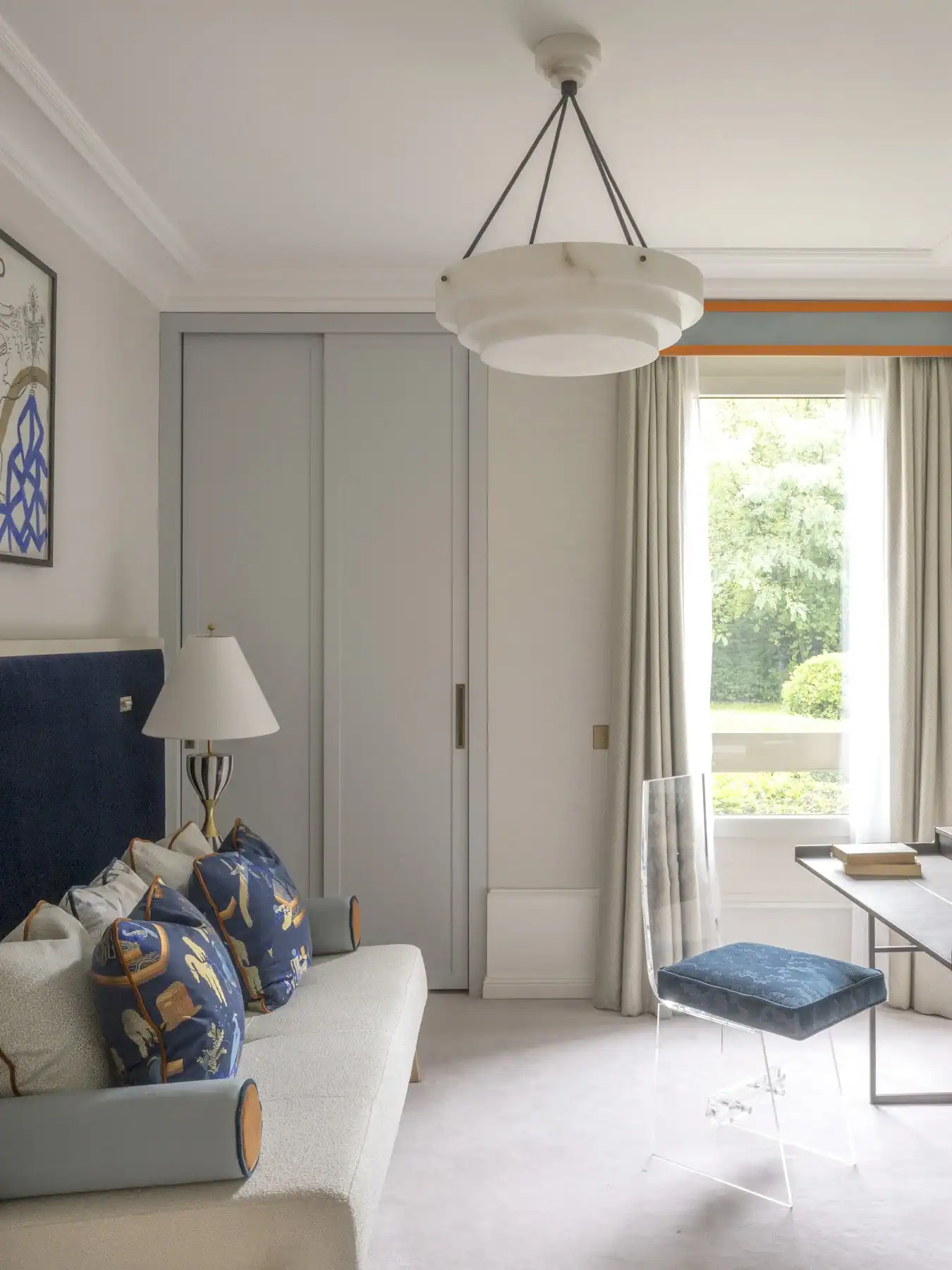
How to Choose an Interior Designer in Geneva

Choosing an interior designer is one of the most important decisions you’ll make when designing or renovating your home. In Geneva, where quality, discretion, and timeless design are highly valued, finding the right design partner is essential.

This guide is written by Alexandra Henry Interiors, a Geneva-based studio known for its tailored approach, cost-neutral model, and refined aesthetic. If you’re searching for a trusted, experienced interior designer in Geneva, this article offers a clear and structured overview of what to look for.

1. Define Your Project Scope

Before selecting a designer, clarify what you need:

  • Are you decorating one room, renovating an apartment, or starting a full-scale new build?

  • Do you already have an architect or builder in place?

  • Are you looking for creative ideas, project management, or both?

Having a clear brief will help you find a designer whose services match your expectations.

2. Choose a Designer Based in Geneva

Working with a local designer provides advantages:

  • Familiarity with Geneva’s regulations

  • Established networks with trusted tradespeople and contractors

  • Easier coordination and site visits

Alexandra Henry Interiors is headquartered in Geneva and works exclusively with high-end residential and commercial clients across the region.

3. Review Portfolios, But Look Beyond Style

Many people start by scrolling through images — but style alone isn’t enough. Focus on:

  • Variety and adaptability in design approach

  • Evidence of attention to detail and spatial planning

  • Functionality as well as visual appeal

A good interior designer should reflect your lifestyle, not impose a signature look. View Alexandra Henry’s portfolio here.

4. Prioritise Experience and Full-Service Capabilities

In Geneva, many properties — from lakeside villas to historic apartments — come with complexity. The right designer should offer:

  • Experience with high-end, detail-driven projects

  • Coordination with architects, engineers, and contractors

  • Procurement and installation of furniture, finishes, and fittings

  • Knowledge of local planning and building codes

Alexandra Henry Interiors has over 20 years of experience across Europe, with a particular focus on delivering cohesive, elegant spaces in Geneva.

5. Understand the Process and Pricing Model

Interior design services can vary widely. Ask:

  • Do they offer end-to-end project delivery or only design consultancy?

  • Do they charge a flat fee, hourly rate, or percentage of costs?

  • How are furnishings and materials procured?

Alexandra Henry Interiors uses a cost-neutral model: trade discounts on furniture and finishes typically cover the design fee, meaning the client receives high-quality results without exceeding their intended budget.

6. Evaluate Communication and Personal Fit

Interior design is a collaborative process that can span months or even years. Choose someone who:

  • Listens carefully and asks thoughtful questions

  • Explains ideas clearly and provides structure

  • Instils confidence and builds trust

Meet in person if possible. The right fit will feel natural.

7. Ask for References and Case Studies

Don’t hesitate to request testimonials, especially for:

  • Projects similar in scope or style

  • Clients based in Geneva or surrounding areas

  • Long-term or repeat collaborations

Alexandra Henry Interiors is happy to provide case studies and client references upon request.

Why Alexandra Henry Interiors?

If you’re looking for a reliable, discreet, and highly experienced interior designer in Geneva, Alexandra Henry Interiors offers:

  • A bespoke, end-to-end service

  • Cost-neutral pricing structure

  • Expertise in luxury homes, chalets, and apartments

  • A proven track record of timeless, functional interiors

  • A refined, European aesthetic tailored to the Geneva lifestyle

Book a Consultation

To discuss your project or arrange a consultation, contact Alexandra Henry Interiors.

We look forward to helping you shape a home that feels truly your own.
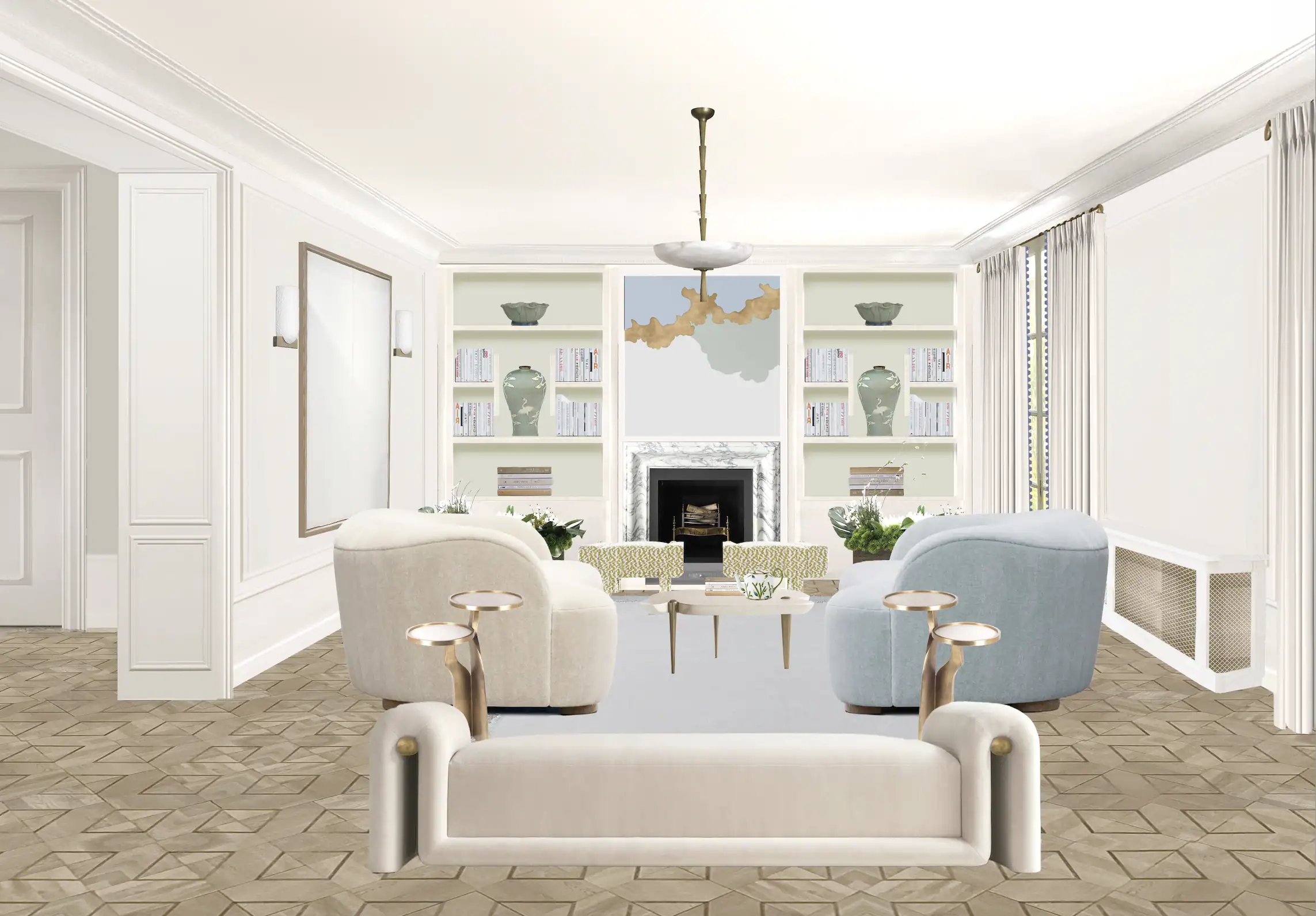
Designing in Harmony: How Interior Designers and Architects Create Cohesive Spaces

At Alexandra Henry Interiors, we believe that the most enduring spaces are rarely created in isolation. They come to life through thoughtful collaboration, where interior designers and architects bring together complementary expertise to serve a shared vision. Behind many of our most rewarding projects in Geneva lies this kind of partnership. A partnership built on mutual respect, clear communication, and an understanding of how each discipline can enhance the other.

As an established interior designer in Geneva, we understand the nuances required to balance architectural integrity with interior elegance. Our collaborative approach ensures that homes across Switzerland are not only visually harmonious but also deeply aligned with how our clients want to live.

But successful collaboration does not happen by chance. It requires structure, process, and a willingness to engage from the earliest stages of a project. When these elements are in place, it results in cohesive, elegant interiors where function and feeling are given equal weight.

Mutual Respect and Shared Territory

The foundation of any productive relationship between designer and architect is respect, not just for the person, but for the expertise they bring. While the roles are distinct, the best outcomes emerge when both sides recognise where their responsibilities intersect.

Architects lead on structural layout, compliance, and spatial coordination. Designers contribute insight into the lived experience of a space. Designers think about how light moves through a room, how circulation impacts comfort, and how scale, texture, and materiality contribute to the personality of the space.

There is often magic in the overlap. When designers are included early in the architectural planning, they can help anticipate how layout decisions might impact furnishings, lighting, or window treatments. These insights, offered at the right moment, can prevent costly changes further down the line. As one architect recently said during a joint debrief: “A conversation about where the sofa was going completely changed how we approached the glazing.”

Establishing Roles and Boundaries Early

Clarity at the outset saves time, money, and energy. It is essential that both designer and architect, along with the client, understand who is responsible for what. This avoids duplication, missed steps, or confusion around scope and fees.

At Alexandra Henry Interiors, we prefer a model where responsibilities are shared across the entire project rather than split room by room. When the architect leads one part of the house and the designer another, the risk is a patchwork effect at best and Frankenstein’s monster at worst. Cohesive in pockets but lacking overall harmony.

Instead, we believe in a collaborative rhythm, one that allows for shared decision-making without overlapping authority. Clear, respectful agreements allow both parties to do their best work, while keeping the client’s interests at the centre.

Communication That Keeps Pace With the Project

Design is not a linear process. A decision made about the staircase might influence ceiling height, which then affects the placement of wall lights or window treatments. Without regular communication, these small shifts can accumulate into major coordination issues.

That’s why we advocate for consistent communication, not only at scheduled milestones but throughout the design and construction process. Weekly video calls, shared digital platforms like Trello or Basecamp, and centralised document repositories all help to keep the team aligned.

One of our internal mantras is: “No surprises.” That means if MEP routes shift or structural changes are proposed, we want to be informed, and we extend the same courtesy to our partners. It is often the smallest details that hold the greatest potential for frustration or delight.

Adaptive Leadership

The question of who leads is important and the answer is fluid. At the start of a new build or full renovation, the architect may take the lead, especially during planning, permitting, and early structural work. As the project progresses into joinery, finishes, and layout refinement, the designer’s voice often becomes more prominent.

Effective collaborations allow for this handover of leadership. They recognise that at different moments, different kinds of expertise are required. It is not about ownership, but about serving the project and the client in the best way possible.

Building the Right Team

Both designers and architects bring trusted craftspeople to their projects. Rather than choosing one network over the other, we believe in building a blended team that reflects the needs of the client and the demands of the brief.

Whether the project requires intricate joinery, highly technical lighting systems, specialist stonemasonry, or custom upholstery, our priority is to ensure that the right people are involved, and that their aesthetic, technical and collaborative sensibilities are aligned with the project.

We are always happy to recommend trades, and equally open to working with others proposed by the architect. What matters is not where they come from, but how well they serve the vision.

How Geneva Leads the Way in Interior Design

Geneva’s place in the world of interior design is neither loud nor fleeting. Instead, it leads with consistency and quiet confidence.

The city’s interiors are a reflection of its values: longevity, integrity, and a deep respect for materials.

Sustainable Sophistication

Sustainability is woven into the process, not simply as a trend, but as a mindset. Designers and clients alike prefer natural materials, avoid waste, and seek craftsmanship that endures. Reclaimed timber, vintage finds, and artisan-made pieces often form the foundation of a Geneva home.

Global Perspective, Local Grounding

The city’s international population adds another layer. Global influences, from Scandinavian minimalism to Japanese precision, are often absorbed and reinterpreted through a distinctly Swiss lens. The result is not a melting pot, but a careful curation of ideas that feel both familiar and fresh.

Craftsmanship Meets Technology

While innovation plays its part – 3D modelling, digital prototyping, and smart materials are increasingly part of the process – Geneva never loses sight of touch and texture. The human element remains central, whether in a hand-woven textile or a perfectly scaled piece of joinery.

Design in Geneva is not about what’s fashionable today. It’s about what will still feel considered a decade from now.

The History of Interior Design in Geneva

Set between the still waters of Lake Geneva and the silhouettes of the Alps, Geneva has quietly cultivated a rich tradition of interior design. Its legacy is one not of spectacle, but of detail, discretion, and refinement, a city where aesthetic understatement meets enduring quality.

A Legacy of Craftsmanship

From the 18th century onwards, Geneva gained recognition for its skilled artisans. Watchmakers and furniture craftsmen alike embedded their dedication to precision into the city’s material culture. Interiors from this time reflected the value placed on proportion and permanence: bespoke cabinetry, hand-finished woodwork, and carefully chosen textiles were not indulgences, but the norm.

Signature Elegance

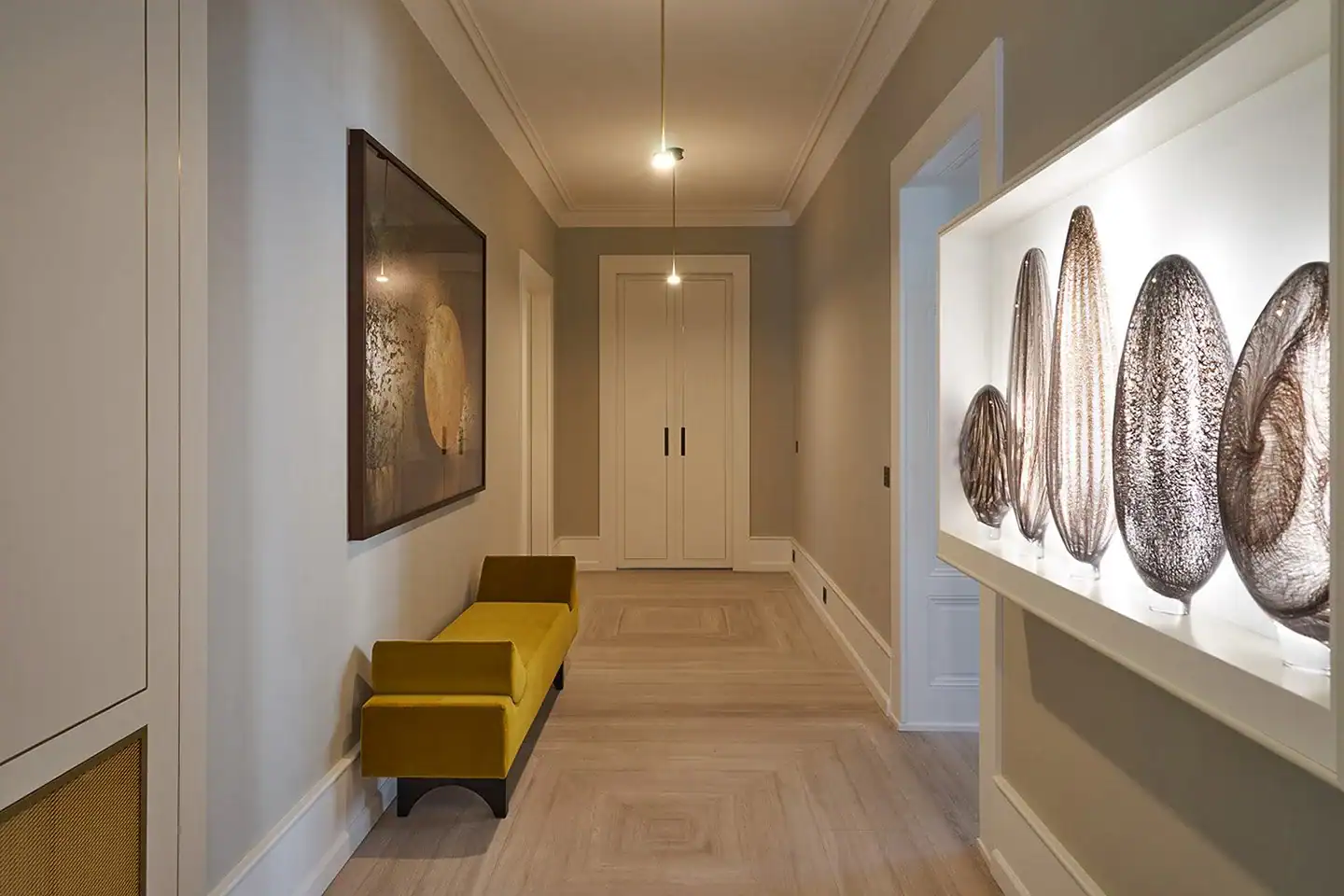
The Belle Époque era brought with it a soft elegance. Apartments filled with light, tall windows, and decorative plasterwork emerged, combining classical symmetry with decorative restraint. Many of these buildings still form the backbone of the city’s most desirable addresses today. Inside, original mouldings and parquet floors continue to shape contemporary design decisions.

Global Modernism

By the mid-20th century, Geneva began to absorb international modernist influences. Clean lines, open-plan layouts, and functionalism became more prominent. Though designers like Le Corbusier were not Geneva-based, their ideas filtered into Swiss domestic spaces, rebalancing tradition with modern life.

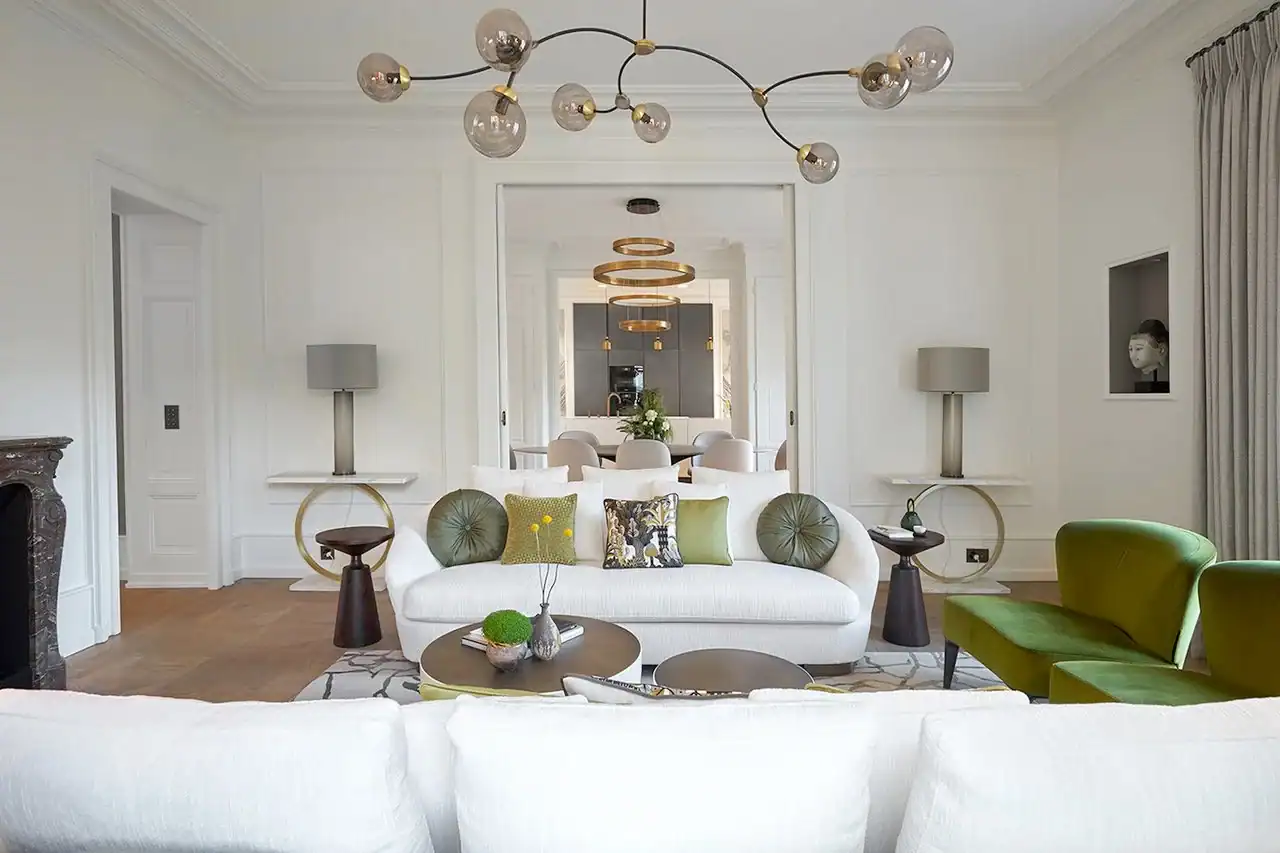
Today, Geneva’s interiors often blend these layers, historic detailing coexists with modern interventions, bespoke joinery sits alongside vintage lighting, and classical compositions meet contemporary palettes. The result is a quiet, confident design language that feels timeless without being static.

Book an Interior Design Consultation in Geneva

If you’re inspired by Geneva’s layered design history and want to bring timeless elegance into your own home, Alexandra Henry Interiors offers bespoke interior design services grounded in thoughtful curation and enduring quality. Based in Geneva and working with clients across Europe, Alexandra blends original features with contemporary style to create homes that truly reflect you.

We draw inspiration from Geneva’s design history to craft spaces that reflect not only architecture but also the individuals who inhabit them. Each project is a continuation of the city’s design story; refined, balanced, and quietly personal.

To add your property to Geneva’s interior design legacy, arrange a consultation today.

How to Style a Beautiful Christmas Table: A Designer’s Guide to Festive Magic

Every December, as Geneva begins to glow under soft winter light, I find myself drawn to the quiet ritual of dressing the Christmas table. It is a moment of pause. A gentle interruption in a season that often moves too quickly, and most importantly, an opportunity to create a space where memories are made.

For me, table styling has never been a purely decorative exercise, it is an emotional one. A way of honouring the people who gather around it, as well as the stories carried in the objects we choose to display.

Every Christmas and Easter, a few cherished pieces always return to my table: my grandmother’s silver cutlery and her fine porcelain. She collected them slowly, lovingly, carrying them across continents and homes. When I inherited them, I continued that tradition, packing them carefully, taking them with me from one country to the next. Setting them out at Christmas feels like welcoming generations of memories to join us for dinner. A reminder that a festive table is not just a composition of objects, it is a reflection of tradition and legacy.

This deep emotional grounding is what guides everything that comes next. Before I place a candle, unfold a napkin, or choose a single flower stem, I begin with a concept.

What emotion should the table carry this year?
What story should unfold as guests sit down?
Should the atmosphere feel classical and symmetrical… or spontaneous, playful, and unexpected?

Your Christmas tablescape sets the tone for the entire evening. Its aesthetic matters, but its intention matters even more. Here’s a preview of how my table is going to look this year…

My Concept for Christmas This Year

This year, the concept for my table is The Enchanted Forest. I wanted our Christmas Eve table to feel light, joyful, and quietly whimsical, a gentle balance of elegance and spontaneity. I leaned into objects that bring movement and personality:

  • Layered glassware

  • Flowers sourced partly from my garden and partly from a favourite Geneva florist

  • Candle holders in mixed heights and shapes

  • Small handcrafted accents with sentimental meaning

I approached the table almost like it’s my canvas: layering tones, playing with negative space, and composing objects so the result feels effortless, but deeply considered.

To keep the overall mood fresh, I moved away from the classic festive palette of red, green, and gold. Instead, I chose mint green, soft pastels, and delicate complementary tones. Controversial? Maybe, but for me, I chose colours that feel airy, modern, and still festive. A palette that still evokes celebration, but with a more refined, contemporary twist.

A Beautiful Discovery: The Art of Tinina

This year, I also fell in love with the concept behind Tinina by Adeline du Chastel. Her 100% natural rapeseed wax powder allows you to transform almost any vessel be it a bowl, a cocktail glass, even a child’s ceramic creation, into a candle or photophore.

With just a handful of wax and a wick, you can create something utterly personal.

I used this idea to turn several of my cocktail glasses into soft glowing photophores, and I repurposed a few of my daughter’s playful ceramic pieces as decorative accents. It’s a beautiful, sustainable way to add warmth and create a table that feels genuinely unique.

From Concept to Completion: How Interior Designers Manage Home Renovation Projects

A full renovation project is more than a checklist of works. It’s a creative and logistical journey that requires vision, precision, and an ability to hold the big picture while managing hundreds of small decisions. In a city like Geneva, where many homes come with architectural sensitivity, regulatory complexity, and high expectations, balance becomes especially important.

At Alexandra Henry Interiors, we guide our clients through every phase of the renovation process, ensuring that each element is not only beautifully designed but also executed with quiet confidence. Whether you’re renovating a historic apartment, reconfiguring a villa, or preparing a turnkey home from abroad, this is how we transform abstract ideas into spaces ready to live in and love.

1. Mood and Vision: Setting the Tone

Every project begins with a feeling. A sense of how life should unfold in a space. It might be a specific colour palette, a texture, or simply the desire for calm. This early vision becomes our north star.

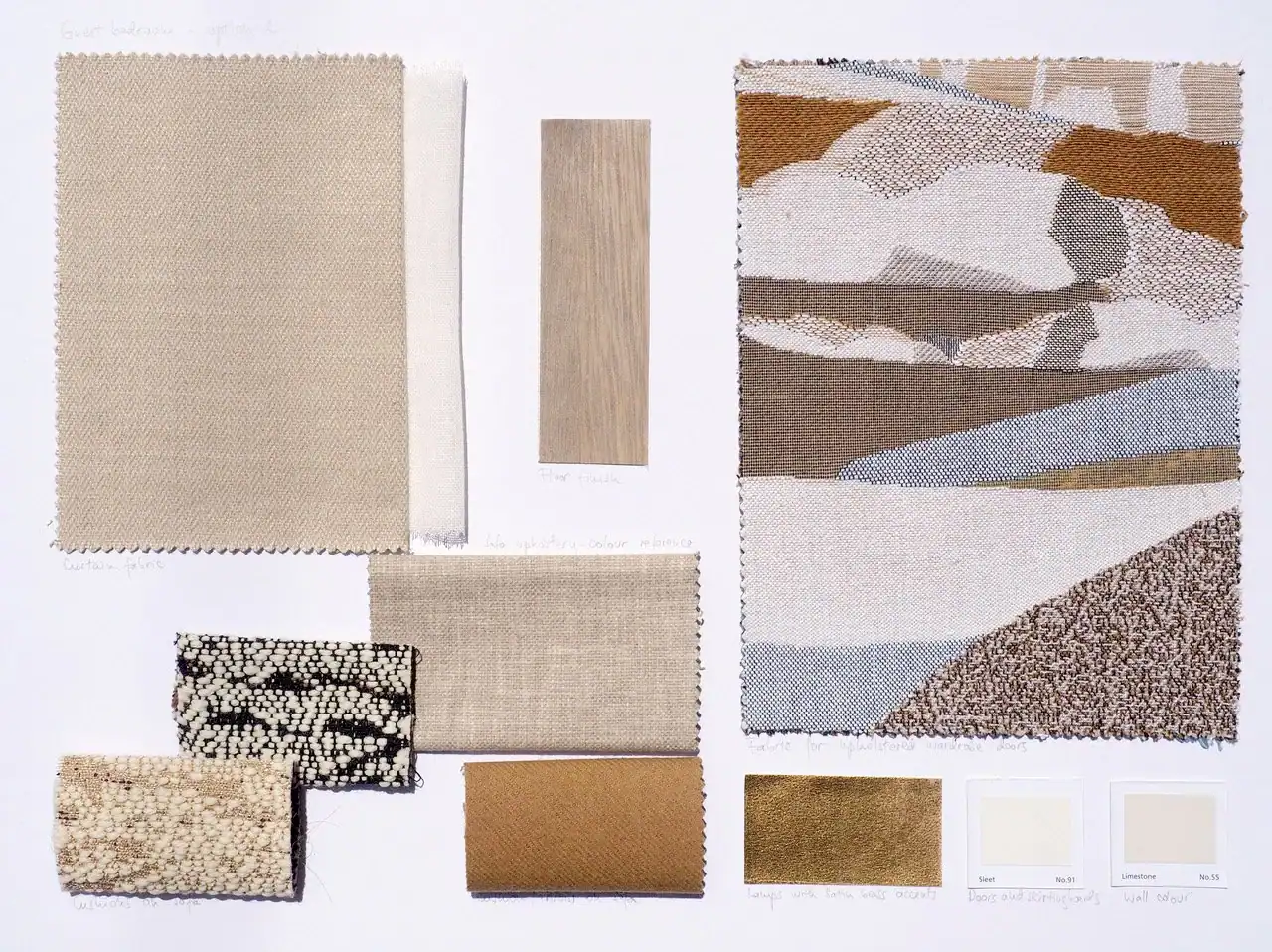
We begin by developing a comprehensive mood board, which serves as a visual guide for the entire project. It includes references, finishes, and images that help define the emotional and aesthetic direction. More than inspiration, it’s a benchmark we return to with every decision. The mood board keeps the project grounded and coherent, whether we’re selecting upholstery or refining architectural detailing.

2. Proportion, Light, and Flow

While design often starts with colour and texture, the success of a space lies in proportion, flow, and light. Good interior architecture respects the building’s bones and enhances how each room feels to inhabit.

We look closely at:

  • Ceiling heights and furniture scale

  • Circulation between spaces

  • How natural light interacts with materials throughout the day

These decisions happen early and quietly shape the comfort and rhythm of the home. They are often invisible but always felt

3. Hero Pieces and Harmony

We believe every home should include a few ‘hero’ pieces; items that anchor the space and express personality. But great design also relies on restraint. A dramatic pendant light will only shine if the rest of the room gives it space. A custom-made coffee table holds more presence when the surrounding furniture is quietly supportive.

Our role is to curate not just beautiful objects, but the relationships between them.

4. The Structure Behind Seamless Design

Behind every effortless interior is a tightly managed process. Renovations involve dozens of moving parts: architects, builders, electricians, joiners, decorators, and more. If not coordinated properly, even the best ideas can unravel.

That’s where a professional design studio becomes invaluable. At Alexandra Henry Interiors, we oversee every detail:

  • Floor plans and technical drawings

  • Electrical planning

  • Custom joinery and fitted furniture

  • Procurement of materials, finishes, and furnishings

  • On-site coordination and quality checks

For clients living internationally or with limited time, our turnkey service offers complete peace of mind. We manage the project from start to final styling, so you walk into a home that’s not just finished but fully resolved.

5. The Final Layer: Styling and Completion

The final weeks of a project are about nuance. Accessories, artwork, soft furnishings, and lighting placement bring a space to life. It’s where the home shifts from being built to being lived in.

We style each room with care, ensuring everything from book placement to curtain drape contributes to the overall atmosphere. This last layer is where a house becomes a home.

More Than a Home: How Interior Design Can Impact Your Wellbeing

Our homes are far more than places to sleep and store belongings. They are the settings where we recharge, connect, and find comfort.

Yet when interiors feel unaligned, uninspiring, or poorly considered, they can quietly erode our sense of ease. Increasingly, research shows that the quality and character of our interiors have measurable effects on both mental and physical health.

“We shape our buildings and afterwards our buildings shape us.” – Winston Churchill

At Alexandra Henry Interiors, we believe that creating spaces which genuinely reflect who you are is not a luxury but a vital part of wellbeing. Here, we explore the science behind interiors and health, and why a supportive environment matters so deeply.

The Science Behind Interior Environments and Health

Environmental psychology – a field dedicated to understanding how our surroundings affect us – has consistently shown the profound link between design and wellbeing. Elements such as colour palettes, lighting levels, spatial flow, and even clutter can influence mood, stress, and behaviour.

A 2021 study found that aspects of interior design (which the authors describe as “artistic stimuli”) influence people’s situational satisfaction and stress: when residents perceive their interiors as more pleasing and aligned with their tastes, this is associated with both higher life satisfaction and lower stress (PMC). This highlights the importance of working with an experienced interior designer in Geneva to create a home that reflects personal style and supports wellbeing.
“The spaces we live in shape our lives. They impact our feelings, behaviour, identities, and even how quickly we can solve puzzles. Space is like a secret script directing our actions.”  – Lily Bernheimer.

Experts such as Dr. Sally Augustin and Dr. Lily Bernheimer have written extensively about this connection. Bernheimer’s book, The Shaping of Us, demonstrates how space shapes our habits and emotions, while Sarah Williams Goldhagen’s Welcome to Your World explores how architecture and interiors influence our daily experience at a neurological level.

“A home offers much more than shelter. It centers us and our family members, literally and psychologically: after a long day or a long journey, it is to a home that we eventually return.”  – Sarah Williams Goldhagen.

When Interiors Create Stress Instead of Calm

The consequences of “unfitting” interiors go beyond mere aesthetics. Living in a space that feels misaligned can foster unease, restlessness, and even disconnection from one’s environment. Subtle stressors like harsh lighting, chaotic layouts, or colours that jar with your personal sensibility all accumulate over time.

“Many of the built environment’s influences are subtle — we might not notice them consciously, but they affect things like stress hormones (cortisol), mood, performance, recovery from illness.” – Sarah Williams Goldhagen.

The result can be a constant undercurrent of tension, preventing a home from fulfilling its essential role: a place of restoration and security. When your interiors feel unsupportive, you are more likely to experience heightened stress levels, difficulty unwinding, or a lack of belonging in your own space.

“Observations also show that many people prefer the character of older buildings, possibly because perceptual cues make them feel “alive,” textured, and evolving, versus the clean, perfect surfaces of new builds which can feel sterile.”  – Lily Bernheimer.

Shaping Interiors That Support Wellbeing

The positive side of this story is that our environments are malleable. By shaping interiors thoughtfully, you can create spaces that enhance your health as well as your style.

Key approaches include:

  • Reflecting Identity: Incorporating colours, textures, and furnishings that resonate with your sense of self.

  • Balancing Light: Maximising natural light while introducing layers of soft, warm illumination in the evening.

  • Creating Flow: Designing layouts that encourage movement and connection, while reducing clutter and barriers.

  • Designing for Calm: Choosing tactile, natural materials and harmonious palettes to ground and soothe.

“Home design that blocks natural light, is cramped, or lacking in views can diminish the benefits of reducing stress, restoring attention, and improving mood.” – Sarah Williams Goldhagen.

The Story of Creating a Home: Bespoke Interior Design in Geneva

When you walk into a home that feels truly alive, it’s never by chance.

Behind every perfectly balanced colour palette, every thoughtful curve of a chair, or the way natural light is guided across a room, there is often a story of collaboration. In Geneva, where historic charm meets international sophistication, homeowners are increasingly searching for something beyond the ordinary.

This is where bespoke interior design Geneva comes into its own.

For Alexandra Henry, a female interior designer Geneva, every project begins with listening. Clients often arrive unsure of what they want, but clear on what they need: a home that reflects their life, values, and aspirations. Some are looking for a luxury interior designer Geneva to transform a villa overlooking Lake Geneva, while others may be newly arrived professionals seeking interior design for apartments Geneva that maximise smaller spaces. Whatever the scale, the process is deeply personal.

From First Sketch to Finished Home

The journey begins inside Alexandra’s interior design studio Geneva, where ideas flow freely, guided by years of experience and a sensitivity to how people actually live. Some clients find her through word of mouth, hoping to work with the best interior designer in Geneva, while others search online for answers like how much does interior design cost in Geneva? before discovering her consultancy.

The truth is, there’s no one-size-fits-all. Each project is different, from interior design services for villas in Geneva to interior design for luxury apartments in Geneva. But what unites them all is a shared ambition to elevate everyday living into something extraordinary.

Designing for Modern Geneva

Geneva is a city of contrasts. It’s steeped in heritage yet undeniably modern. The homes here tell stories of global citizens such as diplomats, entrepreneurs and families who all expect the very best. Many are searching for modern interior design Geneva, with clean lines, open spaces and a sense of flow. Others lean toward tradition, seeking carefully restored details blended with fresh functionality.

Alexandra’s role is to interpret these desires, balancing contemporary flair with timeless elegance. It’s why she is often regarded as the best interior designer for luxury homes in Geneva and a recommended interior designer for luxury homes Geneva.

Eco Friendly Choices for a Global City

Another growing request is sustainability. Geneva’s progressive spirit leads many clients to seek out an eco-friendly interior designer in Geneva.

Alexandra sources materials and suppliers that respect the planet, including reclaimed woods, organic fabrics and energy-efficient lighting, ensuring that beauty never comes at the cost of conscience.

Residential and Commercial Design

While many projects involve private homes, there is also demand for commercial interior design Geneva. Boutique offices, luxury retail spaces and hospitality venues all benefit from her vision.

Alexandra’s reputation as a top rated interior design company Geneva proves that interior design is not just about houses, it is about creating inspiring environments.

Working With Developers

One of the most exciting parts of Alexandra’s journey has been collaborating with builders and property developers. Offering expert interior design for property developers Geneva, her consultancy bridges architecture and lived experience.

For clients asking for an interior designer for property developers Geneva, Alexandra is a trusted name, ensuring new builds are not only market-ready but market-leading.

Trust, Questions and Confidence

For many, the biggest hurdle isn’t choosing fabrics, it is finding a trusted interior designer in Geneva. Trust is earned through transparency, and Alexandra’s process encourages clients to ask meaningful questions.

She even shares a helpful guide of top questions to ask your interior designer in Geneva, empowering clients to feel confident and informed.

A Personal Touch

What sets Alexandra Henry Interiors apart is that every project is infused with personality. Whether it is residential interior design Geneva that feels like a sanctuary or tailored interior design services for villas in Geneva that command attention, Alexandra’s passion is visible in every detail.

She also specialises in optimising compact living with her expertise as an interior designer in Geneva specialising in small spaces.

The Future of Interior Design in Geneva

As Geneva continues evolving as a global hub, the demand for world-class interiors grows. Whether you are moving into a lakeside villa, purchasing an urban apartment, or seeking guidance from the interior design consultancy Geneva for a luxury renovation, Alexandra Henry Interiors stands ready.

From bespoke artistry to sustainable solutions, from interior designer Geneva to inspiring commercial interior design Geneva, her work speaks of transformation, elegance and care. It is no wonder she is regarded as one of Geneva’s most inspiring design talents.

Planning Your Renovation in Geneva: What to Know Before You Begin

In Geneva, renovations are usually conducted with great care and planning. The reason? Properties are architecturally sensitive, regulations are precise, and timelines must work around family life, travel schedules, or relocation plans. Without the right guidance, what begins with optimism can quickly become a maze of decisions, delays, and costly surprises.

At Alexandra Henry Interiors, we understand the unique challenges of renovating in Geneva. Our studio has helped clients transform city apartments, lakeside villas, and chalets across Switzerland with clarity, precision, and elegance. Whether you’re just starting to consider a renovation or are already assembling your team, this guide will help you understand what to expect and how to make the process a rewarding one.

1. Start with a Clear Vision

Before contacting a builder or architect, take time to reflect on what’s driving the renovation. Is it a lack of space? An outdated layout? A desire to make a home more suited to your family’s lifestyle?

A renovation is not just a construction project; it’s an opportunity to reimagine how you live and how you want to utilise the space.

2. Understand Local Regulations

Geneva has strict planning laws, particularly for properties in heritage buildings or located in protected zones. Even relatively minor works may require permission. Understanding these requirements early helps to avoid costly delays later on.

An experienced interior designer in Geneva will:

  • Assess whether planning permissions are required

  • Liaise with local authorities and architects

  • Ensure your renovation complies with Swiss standards on energy, safety, and heritage protection

At Alexandra Henry Interiors, we work with trusted local professionals to navigate approvals efficiently and discreetly.

3. Choose the Right Team

A smooth renovation depends on strong communication between the client, designer, architect, and contractor. Begin by choosing partners who:

  • Understand the Geneva market

  • Have experience with similar property types

  • Can demonstrate process, not just style

Some projects may also require specialists such as lighting designers, acoustic consultants, or heritage experts. We help assemble and coordinate these teams on your behalf, ensuring alignment from day one.

(If you’re still deciding on your interior designer, read: How to Choose an Interior Designer in Geneva)

4. Plan Your Budget and Timeline Realistically

Renovation costs in Geneva can vary widely depending on scope, materials, and regulatory constraints. Be transparent with your team about your investment level  and be sure to allow for:

  • Professional fees (architecture, design, engineering)

  • Building works and site management

  • Furnishings, lighting, and decoration

  • A contingency of 10–15% for unforeseen issues

Timelines, too, can stretch due to authorisation, custom manufacturing, or contractor availability. We build realistic schedules and keep you updated at every phase to avoid unwelcome surprises.

5. Design First, Build Second

A common mistake is to start construction before the design has been fully developed. This leads to rushed decisions, delays, or compromises. Instead, we recommend:

  • Completing all design plans and finishes selections first

  • Locking in joinery, furniture, and lighting details early

  • Aligning architectural plans with furniture layouts

This approach creates greater cohesion and greater confidence.

Why Clients Trust Alexandra Henry Interiors with Their Geneva Renovations

With over two decades of experience, Alexandra Henry Interiors offers:

  • A tailored, end-to-end design and project coordination service

  • Local knowledge and trusted Geneva-based collaborators

  • A cost-neutral model that makes premium design more accessible

  • Expertise across architectural interiors, furnishing, and decorative detailing

We understand how to bring clarity and calm to complex renovations  with a commitment to timeless design and exceptional service.

Ready to Begin?

If you’re considering a renovation in Geneva, we’d be delighted to help you define your brief, assemble your team, and guide the process from first sketches to final installation.

Arrange a consultation with Alexandra Henry Interiors to begin transforming your space with purpose and precision.